

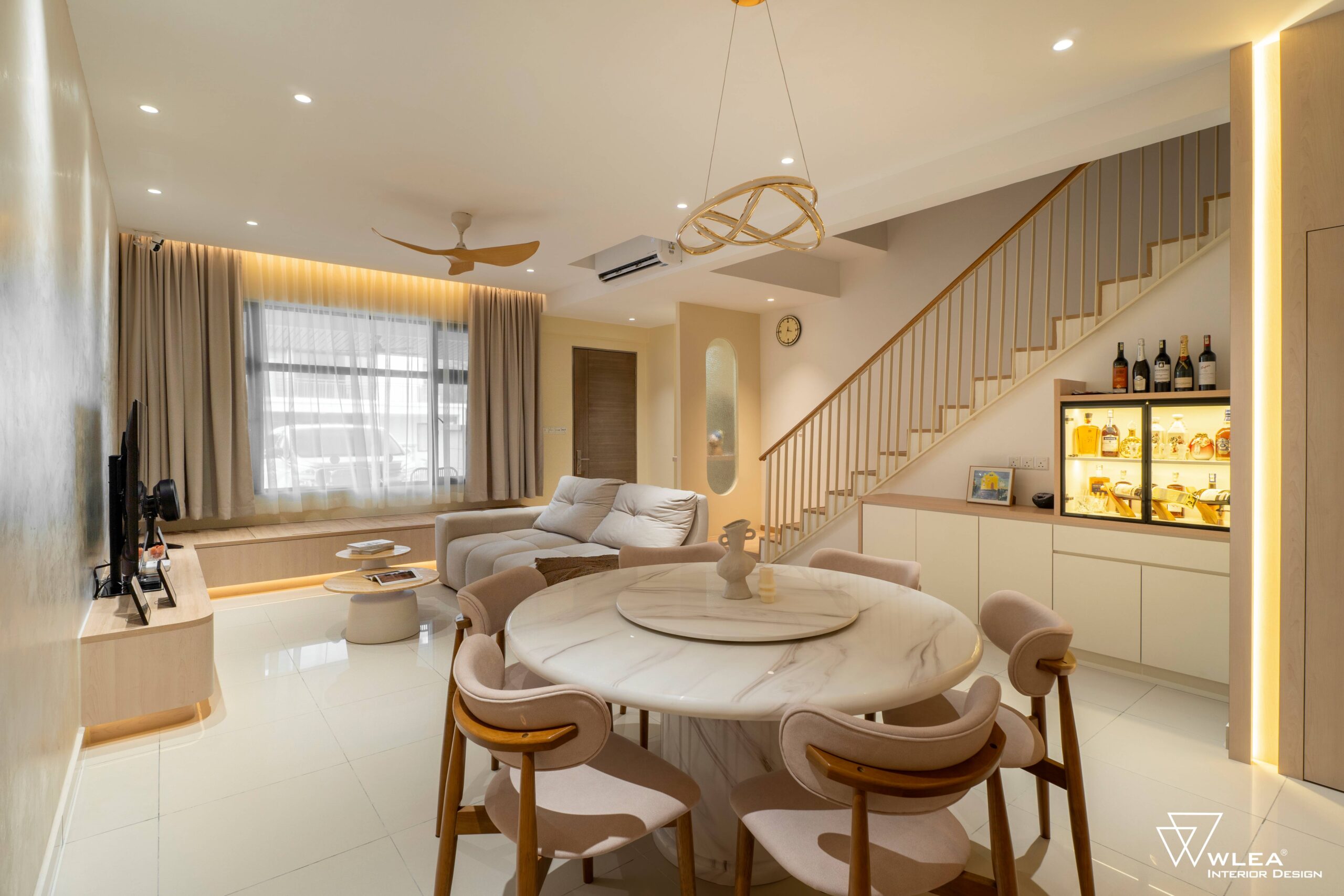
When planning your home interior design, choosing the right furniture is just as important as selecting your colour palette, materials, and overall design style.
Some homeowners prefer built-in furniture because it creates a clean, seamless look with storage tailored to their needs. Others prefer loose furniture because it offers greater flexibility and allows them to change their home’s layout over time.
So, when it comes to built-in vs loose furniture, which is better for your home?
The answer depends on several factors, including your available space, lifestyle, storage requirements, budget, and long-term plans.
Rather than choosing one over the other, the key is understanding how each option works and where it makes the most sense. Let’s explore the differences to help you make a more informed decision.
1. What Is Built-In Furniture?
Built-in furniture refers to furniture that is designed and installed to fit a specific area of your home. It is often customised according to the room’s dimensions, storage requirements, and interior design concept.
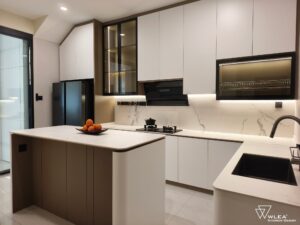
WLEA Designer : Joshua Yau
Common examples of built-in furniture include:
- Kitchen cabinets and kitchen islands
- Full-height wardrobes and walk-in wardrobes
- TV feature walls with integrated storage
- Built-in study desks and home office cabinets
- Bedroom headboards with bedside storage
- Shoe cabinets and entrance storage
- Custom shelving and display cabinets
One of the main advantages of built-in furniture is that it can be designed around your space rather than requiring you to find a ready-made piece that fits.
Best for: Homeowners who want customised storage, a cohesive interior design, or furniture that fits specific dimensions and functional requirements.
2. What Is Loose Furniture?
Loose furniture refers to standalone pieces that can generally be moved, rearranged, or replaced without dismantling permanent installations.
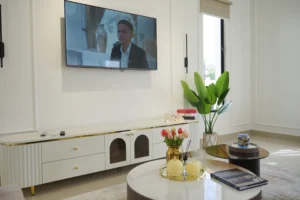
WLEA Design Sdn Bhd (Penang Branch)
Examples include:
- Sofas and armchairs
- Dining tables and dining chairs
- Coffee tables and side tables
- Freestanding wardrobes
- Bed frames
- Bookshelves and movable cabinets
- Office chairs and movable desks
Unlike built-in furniture, loose furniture is not permanently fitted to a particular space. This makes it easier to adapt your home as your lifestyle changes.
For instance, a movable side table can be repositioned whenever you rearrange your living room. A freestanding bookshelf can also be moved to another room if your needs change.
Best for: Homeowners who value flexibility, enjoy refreshing their interiors, or prefer furniture that can be moved and reused in different spaces.

WLEA Designer : Joshua Yau
Five Things to Consider Before Making Your Decision
1. How long do you plan to stay in this home?
If you expect to move within a few years, movable furniture may offer greater flexibility. If you are planning a long-term home, customised furniture may be worth considering for spaces that need a precise fit.
2. How much storage do you actually need?
Take an inventory of your belongings before designing cabinets. Consider clothing, kitchen appliances, household supplies, documents, luggage, and items you use regularly.
3. Does your home have any space limitations?
Compact rooms, awkward corners, structural columns, and unusual wall dimensions may benefit from customised furniture. However, leave enough room for movement, cleaning, and access.
4. What is your renovation budget?
Prioritise furniture that solves important functional problems first. You can invest in built-in carpentry for essential storage areas and choose loose furniture for pieces that are easier to purchase later.
5. How might your lifestyle change?
Consider future family needs, working arrangements, hobbies, and potential changes to your living space. Avoid customising every area so heavily that it becomes difficult to adapt later.
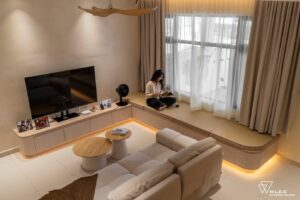
WLEA Designer : Felicia Tan
So, built-in vs loose furniture — which is better?
There is no single answer that works for every home.
Built-in furniture is ideal when you need customised dimensions, integrated storage, or a cohesive design. Loose furniture is a strong choice when flexibility, mobility, and future changes are important.
For many homeowners, the best solution is a thoughtful combination of both.
Before making your decision, consider how you live, what you need to store, how much space you have, and how your home may evolve over time.
Planning your home interior?
WLEA Interior Design can help you explore furniture options, space planning, and customised carpentry solutions that suit your lifestyle and project requirements.
Get in touch with our team to discuss how to make your space work better for you.


